
The gravel and landscaping calculators need JavaScript to run in your browser. Enable JavaScript, or use a browser that supports it, to create an estimate.
Gravel Calculator
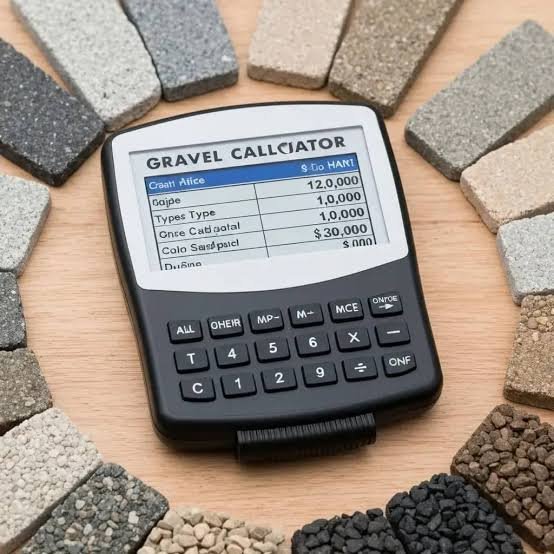
The following Sand and Gravel Calculator helps estimate the amount of gravel needed to cover an area based on the density and desired depth of the gravel. It also estimates the cost of purchasing a given amount of gravel.
Work out exactly how much gravel you need for your driveway, garden or landscaping project in USA. Enter your measurements below for an instant, no-obligation estimate, then order online or collect from our Costessey yard. Longwater Gravel has been supplying Fra-Dor Landscape since 1952, now run by the third generation of the family.
The results from this sand and Gravel Calculator are only to be used as a rough guide as exact conversions depend on many factors. These vary from moisture content to method of compaction. Longwater Gravel cannot be held responsible for any surplus or shortfall found on site.
How much gravel do I need?
Getting the quantity right saves you paying for a second delivery, or being left with an unusable surplus. The amount of gravel you need depends on three things: the area you’re covering, the depth required for your project, and the type of gravel or aggregate you’re using. Our Sand and Gravel Calculator does this maths for you instantly, but as a rule of thumb, driveways typically need a deeper layer than garden borders or decorative beds, and smaller aggregates need less depth than larger cobbles or chippings.
The ideal depth of gravel varies depending on the application, but a minimum of 2-4 inches of gravel is a workable baseline. Multiplying the area to be covered by the desired depth yields the volume of gravel you will need. Once the volume of gravel necessary is known, the known density of the given type of gravel can be used to calculate the mass of gravel needed to complete the project.
Types of gravels
There are many different types of gravel. Generally, gravel is categorized based on the size of the individual rock fragments that make up the gravel, as well as how the gravel is procured or produced. In some cases, gravel is distinguished from other types of rock fragments based on whether rock fragments are mechanically crushed or a result of natural erosion.
Bank gravel
Bank gravel, also referred to as bank run or river run, is a type of gravel that is found USA rivers and streams. It is comprised of a mixture of large and small rock fragments, sand, and clay. Bank gravel has high water draining capacity, so it helps prevent soil erosion and also allows plants to take root and grow. It is typically used for filling in gaps in the landscape, and can also act as a foundation for concrete.
River stone
River stone, a naturally smooth, water-washed decorative rock harvested from river basins, riverbeds, and beaches. it is one of the largest types of Sand and gravel calculator. River, creek, and beach stones are all the same form of naturally eroded stone. They tend to be used for decorative purposes due to their smooth surfaces and the variety of colors in which they can be found. For example, they may be used in landscaping or for lining water fixtures, creeks, and ponds due to their high draining capacity.
Pea gravel
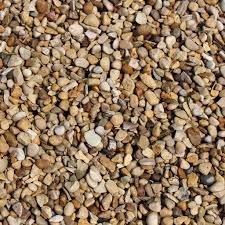
Pea gravel in the USA is a smooth, naturally rounded stone typically measuring 3/8 inch in diameter, similar to the size of a garden pea gravel Calculator. It is also one of the most inexpensive types of gravel, so it is used for many different applications. For example, it is commonly used as part of an aggregate for building roads and driveways as well as for making concrete.
Pea gravel is a popular landscaping material because it adds color and texture through a mixture of small, rounded and chipped rock fragments. It also offers excellent drainage, making it suitable for use around plants, in garden beds, and in aquariums. A Sand and Gravel Calculator can help estimate how much pea gravel you need for landscaping projects, ensuring you purchase the right amount for your desired coverage and depth.
Pay gravel
Pay gravel, also known as pay dirt, can consist of almost any type of rock. Its distinguishing characteristic is that it contains significant concentrations of precious metals, such as gold. Although it is rarely used for purposes other than gold panning, a Sand and Gravel Calculator can help estimate the volume and weight of gravel needed for a project, making it easier to plan material quantities accurately
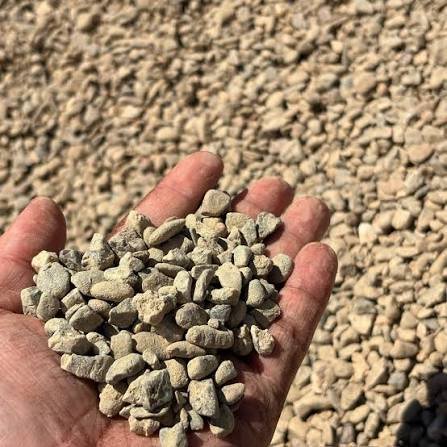
Table of Contents
Sand and Gravel Calculator
Planning a construction or landscaping project requires accurate material estimates. A sand and gravel calculator helps homeowners, contractors, builders, and DIY enthusiasts estimate the amount of sand or gravel needed for their projects. Whether you are preparing a driveway, building a patio, filling a foundation, or installing a drainage system, calculating material quantities correctly can save time and money.
How Does a Sand and Gravel Calculator Work?
A sand and gravel calculator estimates the required material based on the length, width, and depth of your project area. You simply enter your measurements and select the desired depth. The calculator determines the total volume of material required in cubic feet, cubic yards, or cubic meters.
For example, if you are installing gravel on a driveway, enter the driveway’s length, width, and gravel depth. The calculator estimates the total gravel volume needed to cover the area evenly. You can use similar measurements when estimating sand for construction, leveling, or landscaping purposes.
Why Use a Sand and Gravel Calculator?
Estimating construction materials manually can be difficult, especially for large projects. A sand and gravel calculator makes the process easier by providing quick and convenient material estimates.
The main benefits include:
- Accurate material estimates: Calculate the approximate sand or gravel volume required.
- Cost planning: Estimate material expenses using your local price per cubic yard or ton.
- Reduced material waste: Avoid ordering excessive quantities.
- Time savings: Get estimates without complicated manual calculations.
- Better project planning: Determine material requirements before contacting suppliers.
Sand and Gravel Calculation Formula
The basic formula for calculating material volume is:
Volume = Length × Width × Depth
First, measure your project area in feet. Then multiply the length, width, and depth to calculate the volume in cubic feet.
To convert cubic feet into cubic yards, divide the result by 27.
For example, a 20-foot-long, 10-foot-wide area with a 3-inch material depth requires approximately 1.85 cubic yards of material before considering compaction or additional allowances.
Calculate Sand and Gravel Requirements Online
Use our free sand and gravel calculator to estimate material quantities for driveways, patios, landscaping, construction, and other projects. Enter your measurements, select the material depth, and calculate your estimated volume instantly.
Our calculator makes material planning simple for contractors, homeowners, and anyone working on a construction or landscaping project.