Very High Construction Cost Per Square Foot in the USA (2027 Guide)
Understanding the construction cost per square foot is essential when planning a new house, commercial building, office, warehouse, or renovation project. Construction costs vary across the United States because of labor rates, material prices, building regulations, location, and project complexity. Therefore, knowing the average construction cost per square foot can help homeowners, contractors, developers, and investors prepare realistic budgets.
Whether you want to build a residential property or a commercial facility, estimating the construction cost per square foot provides a practical starting point. It helps you compare building options, estimate project expenses, and understand how different construction decisions affect your budget.
This guide explains average construction expenses, residential and commercial building prices, regional differences, cost calculation methods, and practical budgeting tips for 2026.
Table of Contents
What Is Construction Cost Per Square Foot?
The construction cost per square foot represents the estimated amount required to construct one square foot of building area. It is calculated by dividing the total construction budget by the building’s square footage.
For example, if a building costs $300,000 to construct and has 2,000 square feet of floor space, its cost per square foot is $150.
This measurement helps people compare different building projects. However, the cost per square foot is not always directly comparable because some estimates include more expenses than others.
One contractor might include site preparation, electrical systems, plumbing, and interior finishes. Another estimate might cover only the structural shell.
Therefore, always confirm what is included before comparing building prices or contractor quotations.
Average Construction Cost Per Square Foot
The average construction cost per square foot depends mainly on building type, location, materials, and finish quality.
For residential construction, the National Association of Home Builders reported an average construction cost of approximately $162 per square foot in its 2024 construction cost survey. Home Depot’s August 2026 guide gives an approximate figure of $150 per square foot for house construction, although actual costs vary considerably. These figures represent different estimates and should not be treated as a universal national price.
Commercial buildings generally require different structural systems, equipment, and safety standards. Their construction cost per square foot can be considerably higher or lower depending on their purpose.
Illustrative Construction Cost Ranges
| Building Type | Approximate Cost Per Square Foot |
|---|---|
| Basic residential construction | $150–$250 |
| Standard custom house | $200–$350 |
| Luxury residential construction | $350–$800+ |
| Small retail building | $120–$300 |
| Office building | $200–$575 |
| Warehouse | $80–$180 |
| Restaurant | $250–$600 |
| Medical facility | $300–$800+ |
These ranges are broad planning examples. Actual construction prices depend on local market conditions, specifications, and project scope. Specialized facilities can exceed these ranges significantly.
Residential Construction Cost Per Square Foot
Residential construction includes single-family homes, townhouses, apartments, and custom houses.
The construction cost per square foot for a residential property depends on its size, design, structural requirements, and interior finishes.
A simple rectangular house with standard materials generally costs less than a custom home with complicated roof designs, premium windows, and luxury interiors.
Basic House Construction
Basic residential construction usually focuses on practical layouts and economical materials.
Typical features may include:
- Simple architectural design.
- Standard foundation systems.
- Conventional framing.
- Basic roofing materials.
- Standard electrical installations.
- Practical plumbing fixtures.
- Affordable flooring and finishes.
A basic house may have a lower building cost than a luxury property because it requires fewer expensive materials and specialized features.

Standard Residential Construction
Standard homes usually include improved interior finishes, better kitchen cabinets, quality windows, and more comfortable living spaces.
Their construction cost per square foot depends on the local contractor, design specifications, and labor availability.
Homeowners should compare complete construction estimates rather than focusing only on the lowest quoted price.
Luxury Home Construction
Luxury homes often require premium materials, custom architectural designs, and specialized installations.
Examples include:
- Natural stone flooring.
- Custom kitchen cabinets.
- Large glass windows.
- Complex roof structures.
- Smart home systems.
- High-end bathroom fixtures.
- Premium exterior finishes.
These features increase construction prices and may significantly increase the total building budget.
Commercial Construction Cost Per Square Foot
Commercial buildings serve businesses, industries, institutions, and public organizations.
The commercial construction cost per square foot varies considerably because commercial properties have different structural and operational requirements.
A warehouse may require a large open floor area with minimal interior finishing. A hospital requires advanced mechanical systems, specialized equipment, and extensive safety provisions.
Therefore, commercial construction cannot be estimated using one universal price.
Commercial Construction Cost Examples
| Commercial Building Type | Illustrative Cost Per Square Foot |
|---|---|
| Warehouse shell | $46–$108 |
| Light industrial building | $95–$240 |
| Retail building | $120–$300 |
| Office building | $200–$575 |
| Medical office | $190–$500 |
| Restaurant | $250–$600 |
| Hospital | $400–$800+ |
The warehouse figures reflect shell construction rather than a fully equipped facility. Medical and hospital estimates depend heavily on equipment, systems, and specifications.
According to RSMeans’ 2026 construction cost guide, hospital construction benchmarks can reach approximately $440–$454 per square foot for certain building configurations. Office construction ranges vary substantially by size and design.
The commercial construction cost per square foot should always be adjusted for the intended building use.
Factors Affecting Construction Cost Per Square Foot
Several factors determine the final construction cost per square foot in the United States.
1. Location
Location is one of the most important construction cost factors.
Labor rates, transportation expenses, building regulations, and contractor availability vary between states and cities.
Construction in New York City or San Francisco may cost considerably more than construction in some smaller markets.
Local conditions also affect material delivery and subcontractor pricing.
2. Building Materials
Material selection directly affects the building cost.
Common construction materials include:
- Concrete.
- Steel.
- Lumber.
- Bricks.
- Roofing materials.
- Glass.
- Insulation.
- Drywall.
- Flooring.
- Electrical components.
Premium materials increase expenses. Economical materials may reduce the initial budget, but quality and durability should remain important considerations.
3. Labor Costs
Construction labor includes carpenters, electricians, plumbers, concrete workers, roofers, and other skilled professionals.
Labor costs depend on local wages, project complexity, union requirements, and workforce availability.
Projects requiring specialized skills may have higher labor expenses.
4. Foundation and Site Conditions
Foundation requirements can significantly change the construction cost per square foot.
A level site with suitable soil may require relatively straightforward foundation work.
However, rocky soil, poor drainage, steep slopes, or extensive excavation can increase expenses.
Additional retaining walls, soil stabilization, and drainage systems may also increase the total construction budget.
5. Building Design
Simple building designs generally cost less to construct.
Complex architectural layouts can require additional structural materials, labor, and engineering.
Large roof spans, irregular shapes, multiple floors, and extensive glazing can increase construction prices.
6. Interior Finishes
Interior finishes create substantial differences between basic and luxury construction.
Flooring, cabinets, countertops, lighting, doors, and bathroom fixtures influence the final cost per square foot.
A homeowner can often control these expenses by selecting materials according to a realistic budget.
7. Mechanical, Electrical, and Plumbing Systems
Mechanical, electrical, and plumbing systems are essential components of modern buildings.
These systems include:
- Heating and cooling equipment.
- Electrical wiring.
- Lighting installations.
- Water supply.
- Drainage systems.
- Fire protection.
- Ventilation.
Commercial buildings may require more complex systems than ordinary residential properties.
These requirements can increase the commercial construction cost significantly.
Construction Cost Per Square Foot by State
The construction cost per square foot varies across the United States.
States with expensive labor markets, strict building requirements, and high demand may experience higher construction expenses.
However, state averages can hide major differences between cities.
For example, construction in central Texas may cost less than construction in Austin or another expensive metropolitan area.
Regional Construction Cost Differences
| Region | General Cost Pattern |
|---|---|
| Northeast | Often higher labor and regulatory expenses |
| West Coast | High costs in many major metropolitan markets |
| Midwest | Moderate costs in many markets |
| Southeast | Competitive costs in many growing markets |
| Southwest | Costs vary by city and material availability |
These descriptions are general patterns, not fixed rankings.
For accurate estimates, contractors should use local labor rates, supplier quotations, and location-specific cost indexes.
The construction cost per square foot in a particular city may differ substantially from the national average.
How to Calculate Construction Cost Per Square Foot
Calculating the construction cost per square foot is simple when you know the total construction budget and building area.
Use the following formula:
Construction Cost Per Square Foot = Total Construction Cost ÷ Total Building Area
Example 1: Residential House
Suppose you plan to construct a house with the following details:
- Building area: 2,000 square feet.
- Estimated construction budget: $350,000.
Calculation:
$350,000 ÷ 2,000 = $175
The estimated construction cost per square foot is $175.
Example 2: Commercial Building
Suppose a commercial building has these specifications:
- Building area: 10,000 square feet.
- Estimated construction budget: $2,500,000.
Calculation:
$2,500,000 ÷ 10,000 = $250
The estimated commercial construction cost per square foot is $250.
This calculation provides a useful comparison between projects.
However, it does not replace a detailed construction estimate.
Construction Cost Per Square Foot for a 2,000-Square-Foot House
Many homeowners want to understand the total cost of building a 2,000-square-foot house.
The following table illustrates how different construction budgets affect the total building cost.
| Cost Per Square Foot | Total Cost for 2,000 Sq Ft |
|---|---|
| $150 | $300,000 |
| $175 | $350,000 |
| $200 | $400,000 |
| $250 | $500,000 |
| $300 | $600,000 |
| $350 | $700,000 |
These calculations exclude land unless specifically included in the project budget.
The actual construction cost per square foot depends on location, building specifications, and contractor pricing.
What Is Included in Construction Cost?
Understanding what a construction estimate includes is important before comparing building prices.
A typical building construction budget may include several major components.
Site Preparation
Site preparation includes clearing vegetation, excavation, grading, and preparing the building area.
Some projects also require soil testing and drainage improvements.
Foundation
Foundation work supports the building structure.
Costs depend on soil conditions, foundation design, excavation requirements, and materials.
Framing
Framing creates the structural framework of the building.
Residential framing commonly uses lumber, while commercial buildings may use steel, concrete, or other structural systems.
Roofing and Exterior
Roofing protects the building from weather.
Exterior construction includes walls, windows, doors, siding, and other building envelope components.
Electrical and Plumbing
Electrical and plumbing installations provide essential services.
Their costs depend on building size, fixture count, equipment, and design requirements.
HVAC
Heating, ventilation, and air conditioning systems provide indoor comfort.
Commercial buildings may require larger or more specialized HVAC installations.
Interior Finishes
Interior finishes include drywall, flooring, painting, cabinets, countertops, and fixtures.
These items can significantly influence the final construction cost per square foot.
Construction Prices and Material Cost Changes
Construction prices change over time because of economic conditions and supply chain factors.
Material costs may increase or decrease depending on availability, demand, transportation, and production expenses.
Lumber, steel, concrete, and electrical equipment can influence project budgets.
Labor shortages may also increase contractor pricing.
Therefore, older construction estimates should not automatically be used for current projects.
Homeowners and developers should obtain updated supplier quotations before finalizing their budgets.
A reliable construction cost estimate should reflect current local prices rather than outdated national averages.
How to Reduce Building Cost
Reducing the building cost does not always require sacrificing quality.
Several practical strategies can help control expenses.
Choose a Simple Design
Simple architectural layouts usually require less structural complexity.
A rectangular building may be easier to construct than an irregular design with multiple extensions.
Compare Contractor Estimates
Request estimates from several qualified contractors.
Compare the scope, materials, labor, exclusions, and payment schedules.
Do not select a contractor based only on the lowest quotation.
Select Materials Carefully
Choose materials that balance durability, performance, and affordability.
Premium materials are not always necessary for every part of a building.
Plan Before Construction
Changes during construction can increase expenses.
Finalize drawings, specifications, and material selections before starting major work.
Avoid Unnecessary Features
Additional rooms, complicated roof structures, and premium installations can increase the construction cost per square foot.
Prioritize features that provide practical value. Construction Cost Per Square Foot vs Total Building Cost
The cost per square foot and total construction budget are related but different measurements.
A smaller building may have a higher cost per square foot because certain fixed expenses are distributed across fewer square feet.
For example, a small house may require the same basic electrical service, kitchen, and bathroom installations as a larger house.
However, the smaller property has less floor area over which to distribute those expenses.
This explains why building size does not always reduce the construction cost per square foot.
Similarly, commercial projects may have expensive specialized systems regardless of their total floor area.
Use a Construction Cost Calculator
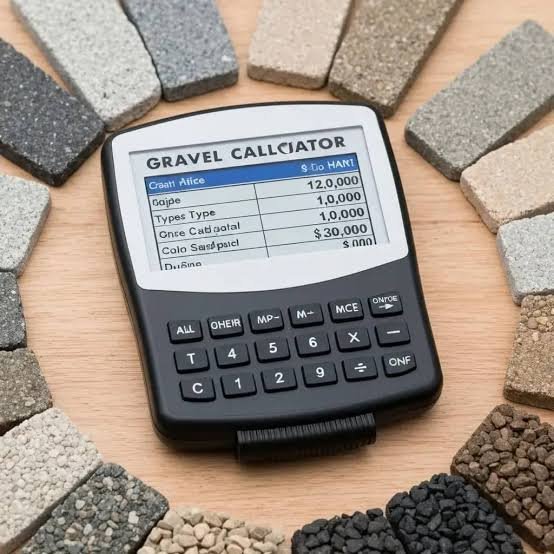
A construction cost calculator helps estimate the budget required for a building project.
You can calculate your approximate expenses by entering the building area and estimated construction rate.
For example:
- Building area: 2,500 square feet.
- Estimated construction rate: $200 per square foot.
Estimated total:
2,500 × $200 = $500,000.
A calculator can help homeowners compare different construction budgets.
It can also help contractors prepare preliminary estimates and explain pricing to clients.
For more accurate results, users should include additional project expenses when necessary.
These expenses may include permits, professional design services, utility connections, financing, and landscaping.
A construction calculator provides an initial estimate, not a guaranteed final project price.
Frequently Asked Questions
What Is the Average Construction Cost Per Square Foot in the USA?
Residential construction estimates vary widely. The NAHB reported approximately $162 per square foot in its 2024 construction cost survey. Actual 2026 costs depend on location, materials, labor, and project specifications.
How Much Does It Cost to Build a House Per Square Foot?
A basic residential project may cost approximately $150–$250 per square foot in some markets. Custom and luxury homes can cost considerably more.
What Is the Commercial Construction Cost Per Square Foot?
Commercial construction costs vary by building type. Warehouses may have relatively low shell costs, while hospitals, restaurants, and specialized facilities can require much larger budgets.
Does Construction Cost Include Land?
Usually, construction cost estimates exclude land unless the estimate specifically includes land acquisition.
Land purchase, financing, and some development expenses should be calculated separately.
How Can I Calculate Construction Cost?
Multiply the building area by the estimated construction rate per square foot.
For example, a 3,000-square-foot building at $200 per square foot has an estimated construction budget of $600,000.
Why Are Building Prices Different Between States?
Building prices differ because labor rates, materials, regulations, transportation, and market demand vary across locations.
Local contractor quotations provide better estimates than national averages.
Can I Reduce Construction Cost Per Square Foot?
Yes. Simple building designs, efficient planning, competitive contractor quotations, and practical material selections can help control costs.
However, reducing structural quality or ignoring building codes can create expensive problems.
Final Thoughts
Understanding the construction cost per square foot is an important first step in planning residential and commercial building projects in the United States.
Although national averages provide useful guidance, actual construction expenses depend on location, materials, labor, building design, and project specifications.
Homeowners should compare contractor estimates carefully and confirm what each quotation includes.
Commercial developers should evaluate specialized building requirements before preparing a project budget.
Use a construction cost calculator to estimate your preliminary budget, compare building options, and understand potential expenses.
With careful planning and realistic estimates, you can make better construction decisions and manage your building budget more effectively.